For most Americans weighing a move abroad, the cost of living in Spain is the first real question, and usually the one that decides whether the dream stays a daydream. Is it actually cheaper? For most everyday categories, yes, though how much cheaper depends on the city you pick and how willing you are to live the way people there do.
SDC International Shipping is a licensed FMC moving company that specializes in relocations from the USA to Spain, and our clients ask us about money long before they ask about containers. This guide compares housing, food, transportation, healthcare and everyday life in Spain with the United States, and flags the spots that surprise people. If you are still working out international relocation to Spain, it is a good place to start, and if you want to talk through your own situation, call (844) 651-7050.
How Does the Cost of Living in Spain Compare With the U.S.?
Spain is generally less expensive than the United States for housing, groceries, dining out, local transport and healthcare, but the gap shrinks in Madrid and Barcelona and for anything imported.
Think of it as a comparison of habits as much as prices. A central apartment in Madrid will not feel like a bargain next to a mid-sized American city, yet the way you live there is different: smaller space, more walking, shorter grocery trips, more meals out. Smaller cities and coastal towns outside the two big capitals tend to stretch a budget furthest. Winter electricity, imported American brands and the one-time costs of moving are the usual surprises, and the sections below point to each of them.
One honest note: exact prices change, so this guide uses relative comparisons instead of numbers that would be out of date by the time you read them. For current figures, check recent listings and your own budget, and treat every number you see online as a starting point.
Housing: What Renting Looks Like for Americans in Spain
Housing is the largest expense for most newcomers, and renting first is how most Americans start.
Madrid and Barcelona are the most expensive cities, while Valencia, Malaga and Alicante offer more space for the money, and Seville, Granada, smaller coastal towns and inland villages are usually the most economical. Neighborhoods just outside the center of any city tend to cost less than the center itself, especially when they have good public transport. If you are drawn to buying, many Americans rent for a while first, learn a few neighborhoods and then decide, which is sensible because the right town is hard to judge from abroad.
Spanish rental rules are more tenant-friendly than many Americans expect. Under the Ley de Arrendamientos Urbanos, the national rental law, a residential lease carries a protected minimum term of five years when the landlord is an individual and seven when it is a company, although the tenant can generally leave after the first six months with thirty days’ written notice. The legal deposit, called the fianza, is one month’s rent, and a landlord may ask for an extra guarantee on top of it, capped at two months. Because you may be a new arrival without Spanish income, expect some landlords to ask for extra proof that you can pay.
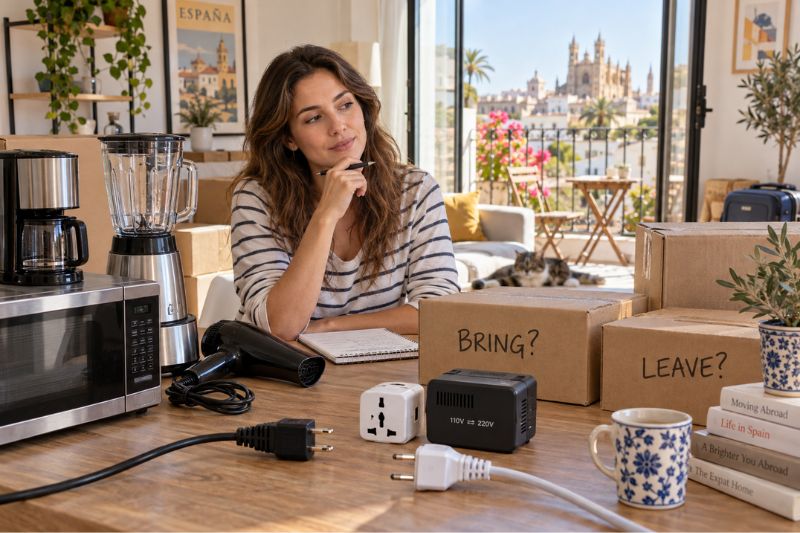
Plan for the costs around the rent, too. Utilities are often billed separately, shared buildings may charge a community fee for upkeep, and unfurnished apartments are common, which means some people end up furnishing a home from scratch. That is one reason many expats ship essentials first and hold the rest, and our secure storage in Spain is built for exactly that stretch between landing and signing a long-term lease.
Food, Dining and Everyday Life: Where the Savings Are Easiest to Find
Food is where Americans most often notice a difference right away, because staples, markets and restaurant meals tend to cost less than back home.
Spain grows a lot of its own food, so fresh produce, bread, fish and olive oil are usually good value, particularly from markets and neighborhood shops. Many restaurants offer a fixed-price lunch, the menu del dia, which typically covers several courses with a drink and costs far less than a single American entree, and tapas and terrace dinners feel like everyday habits instead of occasions. The catch is imports. Peanut butter, maple syrup and favorite American brands carry a premium, so a grocery list built around U.S. products will cost more than one built around what is local.
Everyday extras follow the same pattern. Public plazas, parks, beaches and festivals make a lot of entertainment cheap or free, gyms and local classes are generally modest, and families often find that state schools, which are free to attend for resident children, and childcare ease some of the costs they know from the U.S. Private and international schools are another matter and vary widely by city. Big-ticket hobbies are worth planning around too, and if you own an instrument or artwork you would hate to replace, our page on artwork shipping to Spain explains how valuable pieces travel, and the same care applies to a piano.
Transportation: Living With or Without a Car
Transportation usually costs less in Spain because most people in cities live well without owning a car.
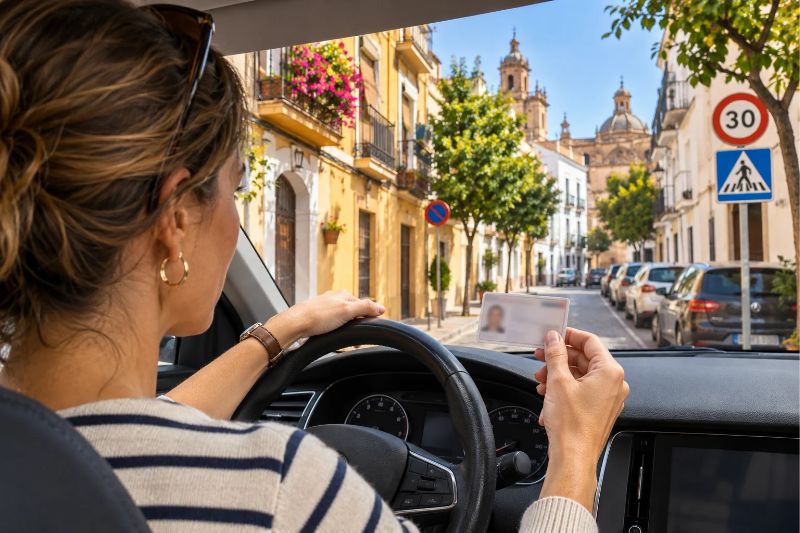
Madrid, Barcelona, Valencia and most other cities have metro, tram and bus networks that make daily errands easy, and regional and high-speed trains replace many short flights for weekend trips. If you do keep a car, expect fuel to cost more than in the U.S., plus parking, tolls on some highways, insurance and annual taxes, and expect to need a Spanish license once you have been a resident for a while. Many couples find that one car becomes none, which is a real saving.
If you plan to bring your car anyway, SDC ships vehicles only inside a container together with household goods, and our car shipping to Spain page explains how that works. Some people decide a smaller car bought in Spain suits the narrow streets better.
Healthcare and Insurance: How Coverage Works for New Residents
Healthcare is often cheaper in Spain, but how you pay depends on your visa and whether you work, so plan for private insurance first.
Spain’s public system, the Sistema Nacional de Salud, is available to legal residents who work and pay into Social Security. Residents who do not, such as retirees on the non-lucrative route, usually need comprehensive private insurance to obtain the visa, and can later join the public system through a pay-in program called the convenio especial, typically after about a year of legal residence. The public system has waiting times for non-urgent care, and many expats keep private cover for faster access and English-speaking doctors.
Requirements and fees change, so check the current rules for your specific visa before you budget. The practical takeaway is to price insurance into your first year rather than assuming public coverage on arrival, and to keep copies of your medical records and prescriptions with you when you travel.
Frequently Asked Questions
Is it cheaper to live in Spain than in the U.S.?
For most everyday costs, yes. Housing outside Madrid and Barcelona, groceries, restaurant meals, local transport and healthcare generally cost less than in comparable U.S. cities. Imported goods, winter electricity and the one-time costs of moving are the main exceptions.
Which Spanish cities are the cheapest for Americans?
Smaller cities, coastal towns outside the main tourist centers and inland villages are usually the most economical. Valencia, Malaga and Alicante offer a middle ground with more space for the money than Madrid or Barcelona. Seville and Granada tend to be good value as well.
How much is a rental deposit in Spain?
For a residential lease, the legal deposit is one month’s rent. A landlord may also ask for an extra guarantee, which is capped at two months’ rent on residential leases. Ask for the terms in writing before you sign.
Do I need health insurance to move to Spain?
Most non-EU residence routes, including the non-lucrative and digital nomad visas, require comprehensive private health insurance as part of the application. If you work for a Spanish employer, you generally join the public system through Social Security. Check your visa’s exact requirements with the consulate.
Do I need a car in Spain?
Not usually in a city. Public transit and trains cover most needs, and many expats give up their car entirely. In rural areas a car is more useful, and you will need a Spanish license after a limited period as a resident.
What one-time costs should I budget for when moving to Spain?
Plan for visa fees, translations and apostilles, flights, short-term housing, the shipment itself and deposits on your first rental. Add a cushion for exchange rate swings and for things that take longer than planned. Ask for the shipping line to be quoted separately so you can see it on its own.
Plan Your First Year Around Real Numbers
The most useful budget for a move to Spain is one built for your first year, with the one-time costs shown separately from the monthly ones.
Start with where you want to live, since that sets the biggest line, then add health insurance, transport and a realistic food budget. Keep the move itself as its own line, because it is a one-time cost and not part of your monthly spending. Our overview of what the move itself costs breaks that line down, and our international movers to Spain overview shows how the shipping side fits in. When you are ready to talk through your own plan, call (844) 651-7050 and we will help you size it up.