The New American Dream Abroad
For many Americans, the idea of becoming a digital nomad once felt like a fantasy. Working from beaches, exploring historic cities on weekends, and living with more freedom than obligations seemed out of reach. Spain has become one of the world’s most welcoming places for remote workers, and a growing number of Americans are choosing it as the backdrop for the next stage of their lives.
SDC International Shipping is a licensed FMC moving company that specializes in relocations from the USA to Spain, and we help digital nomads move with confidence, professional packing, international freight options, and support from the United States all the way to your new home in Spain. The idea of moving across the ocean with work equipment, personal belongings, and long-term plans can feel intimidating, but our role isn’t just transporting your belongings, it’s preparing you for a new way of living.
Why Spain Has Become a Digital Nomad Hotspot
Spain’s popularity among remote workers isn’t accidental. The country has made intentional changes to welcome digital nomads, entrepreneurs, freelancers, and remote employees from across the world. The biggest reason is the Digital Nomad Visa, a program designed to attract skilled remote workers, providing legal residency, access to services, and a pathway to long-term stability. Requirements vary by profession and employer, but the process is more accessible than many expats expect, and our Spain visa guide walks through which documents to gather and how to begin.
Affordability plays a real role too. Compared to major U.S. cities, the cost of living in Valencia, Seville, Granada, and even Barcelona is often significantly lower, and rent, groceries, health insurance, and dining out all tend to stretch further. Spain also offers a genuine quality-of-life difference, walkable cities, reliable public transportation, and outdoor spaces built into daily routines, alongside strong internet infrastructure, widespread fiber coverage, and stable Wi-Fi in most cafés and coworking spaces.
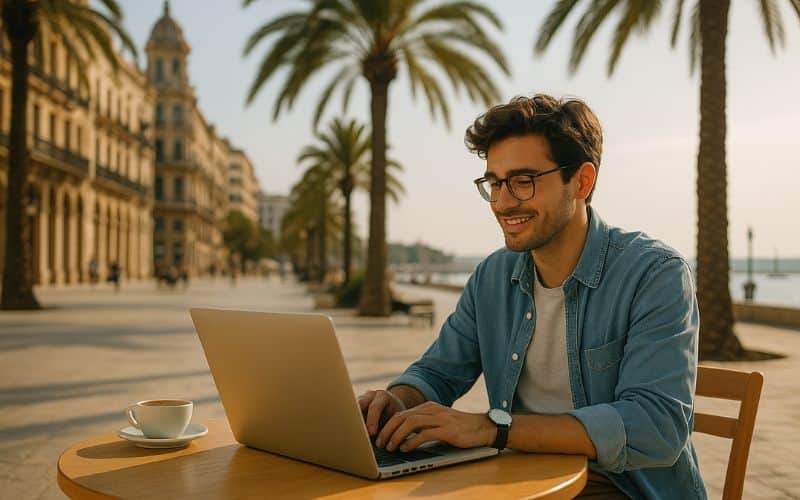
What nomads notice once they’ve settled in is less about any single amenity and more about the pace of life itself. Mornings tend to be calm, a coffee on the balcony before walking to a favorite workspace through streets that feel alive but not rushed. Afternoons slow further, and evenings extend outdoors with shared meals and conversation. Spain is also genuinely welcoming toward long-term international residents, expat communities are active in cities like Malaga, Valencia, and Barcelona, with regular meetups and language exchanges that make it easier to build a social life than in many other European countries. Regional variety rounds it out: coastal cities offer sun and surf, inland cities offer history and culture, and there’s a real range of personalities to choose from depending on what kind of life you’re actually trying to build.
Practical Details Every Digital Nomad Should Know
Choosing the Right City for Your Work and Lifestyle
Coastal cities like Valencia, Malaga, and Alicante attract many remote workers by combining strong internet infrastructure with a relaxed atmosphere. Valencia offers a vibrant mix of beaches, parks, and urban life, while Malaga’s warm climate and artistic culture suit nomads who enjoy a slower rhythm. Seville and Granada offer beautiful surroundings and lower living costs for anyone drawn to history alongside modern energy, while Barcelona remains popular among tech professionals and creatives who want a more international environment. The real question is your working style: do you need quiet, or do you enjoy working near lively cafés? Easy beach access, or a walkable city center?
Housing and Long-Term Stays
Short-term rentals work well for scouting neighborhoods but get expensive over time. Once you’ve chosen your city, a long-term lease, typically one year in Spain, provides better stability and pricing. It helps to arrive with the essentials and gradually settle into a permanent home, and we often support nomads by sending work equipment or personal items through groupage shipping so they can travel light while still having what they need during those first months.
Setting Up Your Work Routine
Spain supports remote work more naturally than many newcomers expect. High-speed internet is widely available, coworking spaces are affordable, and cafés with stable Wi-Fi are common. Many nomads build routines around a neighborhood coffee shop for morning sessions and a quieter spot for calls, and the general emphasis on work-life balance tends to reshape schedules naturally, a midday walk or a slow lunch becomes normal rather than indulgent, especially in cities like Valencia or Seville where most of daily life is within walking distance.
Healthcare and Daily Costs
Healthcare is a pleasant surprise for most newcomers. Spain offers strong public and private systems, both considerably more affordable than typical U.S. options, and private insurance is popular among digital nomads for faster appointment access. Daily living costs vary by city, but groceries, transportation, and dining out are comfortably affordable in most of Spain, often without the financial pressure that comes with life in a major U.S. metro.
Common Mistakes Digital Nomads Make When Moving to Spain
The most common mistake is assuming the Digital Nomad Visa process works the same way it does in other countries. It’s accessible and well structured, but the documentation still needs care, proof of income, employer verification, and coordination between U.S. and Spanish institutions. Missing a step often causes delays that affect housing, travel plans, or your ability to work legally while settling in, and our Spain visa guide walks through the sequence to help you avoid that.
A second common mistake is choosing a city based on beauty alone rather than how it supports your actual work routine. Barcelona is dynamic but can be busy and expensive, Granada is charming but its nightlife may not suit everyone, and Valencia’s laid-back pace can surprise people used to faster-moving cities. Spending a few days exploring before signing a long-term lease prevents a lot of frustration later, as does not overcommitting to short-term housing, which feels convenient at first but adds up fast compared to a stable long-term lease.
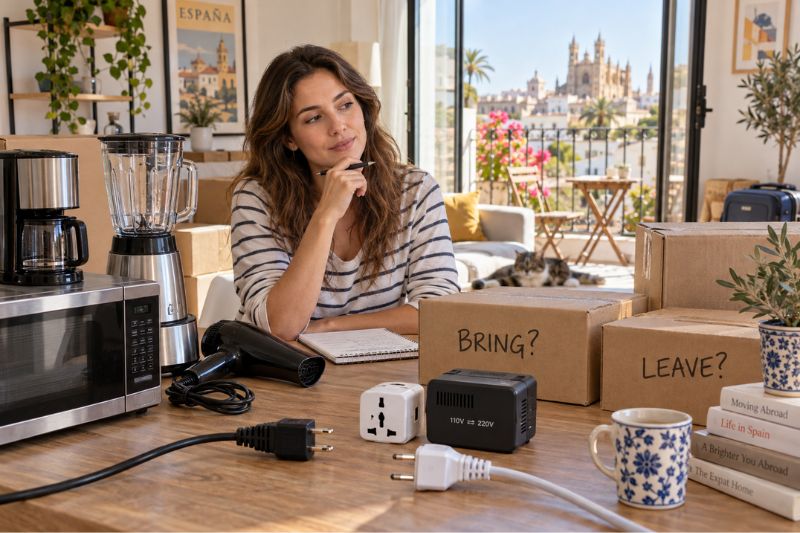
Bringing too many belongings is another frequent misstep, Spanish apartments tend to run smaller than American homes, which is why we often recommend starting with essentials rather than shipping everything at once. And Spain’s slower pace itself trips people up initially, some nomads mistake it for inefficiency at first, when it’s really a cultural prioritization of rest and presence that tends to make people more productive once they adjust rather than less. The last common mistake is trying to navigate healthcare, taxes, banking, and residency entirely alone. Spain’s administrative processes are clear, but accepting guidance from relocation specialists or local advisors makes the whole transition noticeably smoother.
How SDC Helps Digital Nomads Build a Smooth Life in Spain
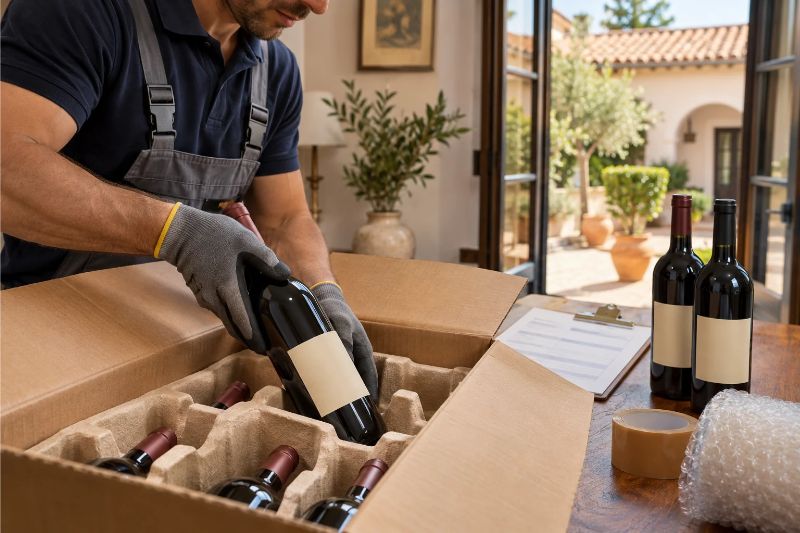
Digital nomads have particular needs, and we build our process around a location-independent lifestyle, careful packing, clear communication, and efficient transport, so you can focus on your work instead of worrying about your belongings. From the moment you request a quote, we help you decide what to bring, what to store, and what to ship, organizing freight schedules and customs documentation so the move feels calm and structured rather than chaotic. Whether you’re bringing computer equipment, studio tools, monitors, or the personal items that make a space feel like home, everything is covered from door to door through our moving insurance.
Remote work often means shifting plans, so we offer flexible delivery windows and temporary storage when needed. If your long-term housing isn’t ready yet, or you’re still exploring which city actually fits, your belongings can wait safely until you are. Stability in your first weeks sets the tone for everything that follows, and when your essentials arrive on time and in good condition, it’s a lot easier to start building the routines that make a new place actually feel like home.
Frequently Asked Questions
Do I need the Digital Nomad Visa to work remotely from Spain?
If you’re staying longer than the 90-day visa-free window, yes. The Digital Nomad Visa provides legal residency and lets you work for a non-Spanish employer or your own remote business while living in Spain.
Which city is best for digital nomads in Spain?
It depends on your work style more than any objective ranking. Valencia and Malaga suit people who want a relaxed pace with strong infrastructure, Barcelona fits those who want a busier, more international environment, and Seville or Granada work well for lower costs and a slower rhythm.
Should I ship all my belongings or travel light at first?
Traveling lighter tends to work better initially. Many nomads ship essentials through groupage shipping while they figure out their city and apartment size, then decide what else to bring once they’re settled.
How does healthcare work for digital nomads in Spain?
Spain has strong public and private healthcare systems, and both cost considerably less than typical U.S. options. Many digital nomads opt for private insurance specifically for faster appointment access.
What’s the biggest mistake digital nomads make when moving to Spain?
Trying to handle the visa paperwork, housing search, and administrative setup entirely alone. Spain’s processes are clear once you understand them, but getting guidance early avoids the delays that catch most newcomers off guard.
Stepping Into a Life of Freedom, Connection, and Possibility
Becoming a digital nomad in Spain is more than a professional choice, it’s a lifestyle shift. It gives you the chance to wake up each day with a sense of possibility, to work in places that inspire you, and to live in a rhythm that feels healthier and more human. Whether you’re building a business, designing from your laptop, coding remotely, or consulting clients across the world, Spain becomes a place that supports your goals instead of competing with them. If you’re weighing the whole move rather than just the remote-work piece, our international movers to Spain overview covers how it all fits together.
If you’re ready to work from a place that inspires you and live in a culture that values connection, call (844) 651-7050 to speak with a relocation specialist or visit our free quote page to start planning your move.