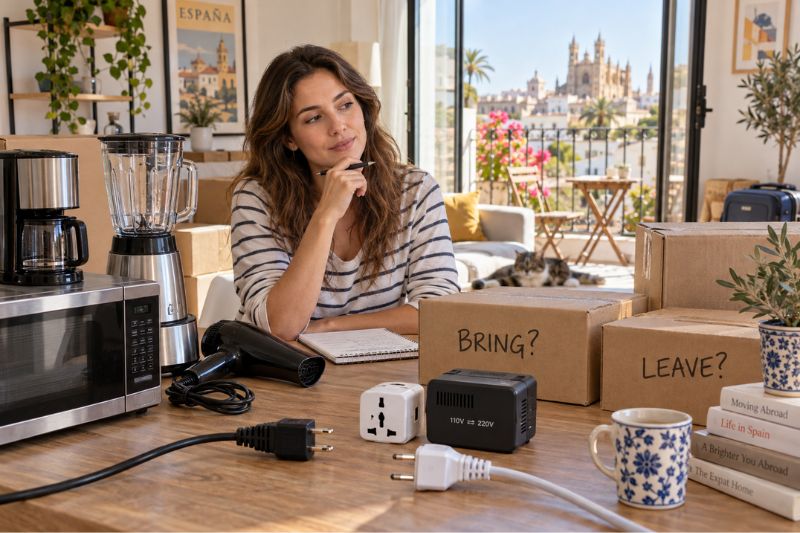
The plane has landed, your boxes are en route or already arrived, and you’re finally standing on Spanish soil. Whether you’ve relocated for work, retirement, or lifestyle change, those first few weeks in Spain are where the dream becomes reality. But that excitement can come with a side of overwhelm—how do you navigate new systems, settle in, and feel at home in a foreign country?
At SDC International Shipping, we’ve guided thousands through this exact transition. And from what we’ve seen, those who thrive early on have one thing in common: a clear, practical plan for their first 30 days.
This article is your roadmap. From essential registrations to cultural immersion, we’ll walk you through the steps that turn your relocation into a real-life success story.
Step 1: Register Locally and Handle the Bureaucracy
Spain has some essential paperwork waiting for you as soon as you arrive. If you want to open a bank account, sign a lease, or access healthcare, you’ll need to get a few key documents in place.
First up is your empadronamiento, or local registration. This process enrolls you in your town or city’s census and is required for nearly every official procedure in Spain—from obtaining a health card to enrolling your kids in school. Head to your local ayuntamiento (town hall) with your passport, proof of address (like a lease), and sometimes a translated birth certificate.
Next, make sure you finalize your NIE (Número de Identidad de Extranjero) if you haven’t already done so pre-arrival. This foreigner identification number is essential for everything from setting up utilities to getting a job. If you’re already working with a relocation lawyer or gestor, they’ll often help with these steps.
Helpful Link: Spain Visa Guide
If you shipped your goods with SDC, we’ll ensure all your customs paperwork is handled properly before or at the point of delivery. You won’t be left navigating port documents or logistics in a new language—we take care of it.
Step 2: Get Settled in Your New Home
Once your household goods arrive, it’s time to truly settle in. If you’ve used door-to-door shipping or groupage shipping, your coordinator will confirm delivery and setup times.
As the boxes are unpacked, focus on making your new space feel like home. Set up your essential services like:
- Electricity and water – Most homes in Spain run through providers like Endesa or Iberdrola. In rental units, utilities are often already active but may need to be transferred into your name.
- Internet and phone – Companies like Movistar, Orange, or Vodafone offer bundled deals. Be prepared for a technician visit within your first week.
- Trash and recycling schedules – Learn the system in your neighborhood. Spain is diligent about sorting waste, with separate bins for paper, plastic, and organics.
You may want to take this time to explore your neighborhood as well, find your nearest pharmacy, supermarket, bank, and local market. It’s a good way to meet people and practice your Spanish, too.
Step 3: Begin Integrating Into Spanish Life
Once the essentials are in place and the moving boxes have been flattened, the next step is to begin integrating into your new surroundings. Moving to Spain isn’t just about unpacking—it’s about immersing yourself in the culture, language, and rhythms of everyday life.
Register with the Local Town Hall (Empadronamiento)
This is one of the most important administrative steps you’ll take in your first 30 days. The empadronamiento is Spain’s municipal registration, and it’s required for a variety of processes including obtaining your residency card (TIE), registering children in school, accessing public healthcare, and even signing up for certain utilities.
To register, visit your local ayuntamiento (town hall) with your passport, rental contract or property deed, and a completed padrón form. Once registered, you’ll receive a certificado de empadronamiento, which will be necessary for other paperwork steps.
Open a Local Bank Account
Even if you already have an international bank account, opening a Spanish account will simplify bill payments, direct debits, and receiving a salary if you’re working. Most banks in Spain require:
- Your passport or ID card
- NIE number (foreigner identification number)
- Proof of address (like your empadronamiento certificate or lease agreement)
Banks such as Santander, CaixaBank, and BBVA have English-speaking staff and accounts tailored for expats. Online banks like N26 and Revolut also operate in Spain and offer digital-friendly onboarding.
Start Your Healthcare Enrollment
If you’re employed in Spain or are a legal resident, you’ll likely qualify for Spain’s public healthcare system. To access it:
- First, register with the Seguridad Social (Social Security Office).
- Then, take your Social Security number, TIE, and empadronamiento to your local centro de salud (health center) to get assigned a primary care doctor.
Alternatively, many newcomers opt for private insurance plans, especially during the transition period. SDC can connect you with expat-friendly providers that meet visa requirements and provide bilingual support.
Explore Transportation Options
Spain’s public transportation is affordable, clean, and reliable. Whether you’re in a small town or a major city:
- Purchase a transportation card (tarjeta de transporte)—available in metros and bus stations.
- Learn local bus and train routes. Apps like Moovit or Renfe make travel planning easy.
- If you’ve brought a car, ensure it complies with Spain’s import rules and begin the registration process.
🚗 Pro Tip: If you included your vehicle in your international move with container shipping, you’ll need to register it within 30 days of customs clearance.
Step 4: Make Connections and Build Community
After you’ve handled logistics and started to explore your area, it’s time to focus on human connections. Making friends and building a support network is one of the most powerful ways to feel at home in Spain.
Start with your immediate surroundings. Say hello to your neighbors—Spaniards are generally warm and welcoming, and many communities still value a friendly, personal connection. If your Spanish is limited, don’t worry. A smile and an effort to communicate go a long way.
Look for expat communities in your city. Whether you’re in Valencia, Barcelona, or a smaller town, you’ll likely find English-speaking groups through platforms like:
- Meetup – Search for international events, language exchanges, or interest-based groups.
- Facebook Groups – Try terms like “Expats in [City]” or “Americans Living in Spain.”
- Internations – A professional expat network with events and forums in most major Spanish cities.
Enrolling your children in local schools or extracurriculars can also help families build connections. You’ll naturally meet other parents and have opportunities to attend community events.
Volunteering is another rewarding way to integrate. Whether you’re helping at an animal shelter, joining a beach cleanup, or supporting local festivals, giving back helps you feel rooted—and gives you firsthand exposure to Spanish culture.
Step 5: Embrace the Local Culture
Understanding and adapting to Spanish culture will deepen your experience and reduce the feeling of being an outsider. And you don’t need to wait until you’re fluent in the language or fully unpacked—start embracing the culture now.
Begin with food and daily routines. Try the local cafés and neighborhood mercados (markets). Embrace the slower pace of life. Don’t be surprised if some shops close mid-afternoon or if dinner doesn’t start until 9:00 PM. Spain operates on a slightly different clock—one that values long meals, family time, and work-life balance.
Learn key Spanish phrases. Even a basic grasp of greetings and polite expressions can open doors. Consider joining a local language school or hiring a private tutor to speed up your progress.
You’ll also want to familiarize yourself with Spanish holidays and traditions. From Semana Santa (Holy Week) to local fiestas patronales, understanding these events helps you feel part of the community. Participation isn’t required, but curiosity is always appreciated.
Pro Tip: Watch Spanish TV, listen to Spanish music, or follow Spanish news outlets. It’s a passive but effective way to build cultural awareness and improve your language skills.
Step 6: Check In With Your Moving Company
As you settle in, take a moment to reconnect with your international shipping partner. At SDC International Shipping, we stay in touch with clients even after the delivery is complete. It’s part of our commitment to door-to-door service and ongoing support.
Make sure your inventory arrived in full, without damage or missing items. If there’s an issue, refer to your shipping insurance policy and contact your SDC relocation specialist right away. Keep your customs paperwork and inventory list in a safe place—they might come in handy for future needs like taxes or moving again.
If you used temporary storage in Spain, now might be the time to retrieve your items or extend the service. We offer flexible storage options for clients who aren’t yet fully settled.
Also, don’t hesitate to reach out for additional services like:
- Moving specialty items (e.g., artwork, pianos)
- Ongoing support with customs questions
- Referrals for local real estate agents or insurance providers
Our goal isn’t just to get your boxes to Spain—it’s to help you thrive here.
Conclusion: From Arrival to Belonging
The first month after your international move to Spain is a whirlwind—one filled with excitement, challenges, and transformation. What starts as a logistical exercise of deliveries, paperwork, and unpacking slowly evolves into something more meaningful: belonging.
Whether you’re sipping your first café con leche at a local bar or navigating the nuances of your electricity bill, every small step you take builds your new life. There’s no perfect formula for adjusting to life abroad, but having a clear, supportive plan gives you the confidence to make the most of each day.
At SDC International Shipping, we understand that moving to Spain is more than a shipment—it’s a story. Our goal is to help you write yours with less stress, fewer surprises, and a team that’s with you from day one to day 30 and beyond.
From household goods shipping and customs clearance, to secure storage and ongoing support, we’re proud to be your relocation partner.
Need help planning your next step, or ready to bring over the rest of your belongings? Request a free quote or call 844-651-7050. Let’s make Spain feel like home, together.