There are cities that impress you, and then there are cities that stay with you. San Sebastián is the second kind. Tucked into the far corner of northern Spain where the Basque mountains meet the Bay of Biscay, it is a place that feels both extraordinary and deeply livable. The beaches are sculpted and clean, the food is world-famous, and the streets of the old town move with a warmth and confidence that comes from a community that genuinely loves where it lives.
For Americans considering a move to Spain, San Sebastián tends to surface in conversation as a beautiful place to visit. What fewer people realize is that it is also one of the most rewarding places to actually live. It is small enough to feel like home quickly, sophisticated enough to never feel limiting, and distinctive enough that you will never mistake it for anywhere else.
If you are drawn to it, that instinct is worth trusting. And if you are starting to think seriously about the logistics, our Spain relocation guide is a good place to begin understanding the full scope of what a move like this involves.
This guide will walk you through what life in San Sebastián actually looks like for Americans, from neighborhoods and cost of living to visas, shipping, and the practical steps of getting there.
What Americans Should Know Before Moving to San Sebastián
San Sebastián, known in Basque as Donostia, sits at the edge of the Basque Country in the province of Gipuzkoa. It is compact by Spanish standards, with a population of around 180,000, but it punches well above its weight in culture, cuisine, and quality of life. It has more Michelin-starred restaurants per capita than almost anywhere on earth, a film festival that draws international attention every September, and a beach, La Concha, that is considered one of the most beautiful urban beaches in Europe.
For Americans used to sprawling cities, the scale of San Sebastián can feel like a revelation. Most of daily life is walkable. The old town, known as Parte Vieja, is a dense and lively grid of narrow streets lined with pintxo bars and cafés. The Gros neighborhood attracts surfers and young professionals. The residential areas of Amara and Egia offer quieter streets and a more local rhythm. You can be on the beach, in the mountains, or in a world-class restaurant within minutes of wherever you are standing.
A City With Its Own Identity
One of the first things Americans notice about San Sebastián is that it feels different from the Spain they imagined. The Basque Country has its own language, its own traditions, and a strong sense of cultural pride that shapes the experience of living here. Street signs appear in both Spanish and Euskara, the Basque language. Local festivals are deeply rooted in Basque identity rather than broader Spanish customs. The food culture, centered on pintxos, the Basque variation of tapas, is its own art form entirely.
None of this makes San Sebastián unwelcoming. On the contrary, it is an open and internationally minded city. But it is worth arriving with curiosity rather than assumptions. The more you engage with Basque culture, the richer your experience will be.
Climate: Green, Mild, and Occasionally Rainy
San Sebastián’s climate is one of the most important things to understand before moving here. Unlike the dry heat of Madrid or the Mediterranean warmth of Valencia, the Basque coast operates on Atlantic rhythms. Summers are genuinely pleasant, warm but rarely scorching, with long daylight hours and an energy that draws people outdoors from morning until late at night. Winters are mild by northern European standards but noticeably cooler and wetter than southern Spain.
Rain is part of life here, and the landscape shows it. The hills surrounding the city are deeply green, the countryside is lush, and the air carries a freshness that many Americans coming from warmer climates find refreshing. If you love the idea of a coastal city that stays green year-round, San Sebastián will suit you. If you are specifically chasing year-round sunshine, the south may be a better fit.
Cost of Living in San Sebastián Compared to the United States
San Sebastián is one of the more expensive cities in Spain. It is not Madrid or Barcelona expensive, but it is meaningfully pricier than cities like Valencia, Seville, or Málaga. For Americans, however, the comparison that matters most is how it stacks up against home, and on that measure, most expats find it comfortably affordable.
Housing
Rental prices in San Sebastián reflect its desirability and relatively limited housing stock. A one-bedroom apartment in the city center typically runs in the range of €900 to €1,300 per month. Two-bedroom apartments in residential neighborhoods like Amara or Gros tend to fall between €1,100 and €1,600, depending on size, condition, and proximity to the beach. Properties in the old town carry a premium for character and location.
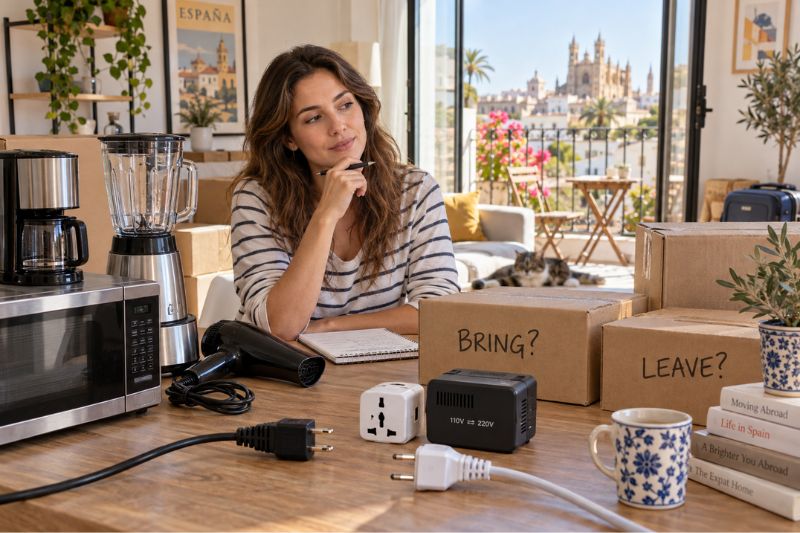
Furnished rentals are available but less common than in larger cities. Many landlords list unfurnished apartments, which is worth factoring into your arrival plans if you are shipping household goods from the U.S.
Food, Transport, and Daily Life
Where San Sebastián delivers exceptional value is in everyday life. Groceries are affordable, local markets offer fresh produce and seafood at reasonable prices, and eating out, even at mid-range restaurants, costs a fraction of what a comparable meal would in a U.S. city. The pintxo culture means you can eat extraordinarily well for very little, a round of pintxos and a glass of txakoli at a Parte Vieja bar rarely exceeds a few euros per person.
Public transport within the city is reliable and inexpensive. The wider Basque rail network connects San Sebastián to Bilbao and the broader region efficiently. Many residents find that owning a car is unnecessary for daily life, which reduces monthly expenses considerably.
Overall Budget
A couple living comfortably in San Sebastián, including rent, food, transport, and leisure, can generally do so for significantly less than the equivalent lifestyle in cities like New York, San Francisco, Seattle, or Boston. The specific figure depends heavily on housing choices and lifestyle, but most American expats report that their money goes further here than it did at home, even accounting for San Sebastián’s relative premium within Spain.
Visas and Residency: How to Make Your Move Legal
Americans cannot simply arrive in Spain and stay indefinitely. As a non-EU citizen, you are limited to 90 days within any 180-day period under the Schengen rules unless you hold a valid Spanish visa or residency permit. If you are planning to live in San Sebastián long-term, getting the right visa in place before you move is essential.
The Non-Lucrative Visa
The most common path for Americans relocating to Spain without a job offer is the Non-Lucrative Visa, often called the NLV. It is designed for people who can support themselves financially without working in Spain, including retirees, remote workers whose income comes entirely from outside Spain, and those living on investment income or savings.
To qualify, you need to demonstrate sufficient income or savings to cover living expenses, purchase a private Spanish health insurance policy, and show a clean criminal record. The visa is initially granted for one year and can be renewed in two-year increments. After five years of legal residency, you can apply for long-term residency status.
The Digital Nomad Visa
For Americans who work remotely for non-Spanish employers or clients, Spain’s Digital Nomad Visa offers a path to legal residency while continuing to work. It requires proof of remote employment or freelance income above a set threshold, private health insurance, and a clean background check. San Sebastián has become increasingly attractive to digital nomads drawn by its quality of life, manageable size, and strong internet infrastructure.
Applying Before You Arrive
Both visas must be applied for through a Spanish consulate in the United States before you move. Processing times vary by consulate and season, so starting the application process well in advance of your intended move date is strongly recommended. Our Spain visa guide covers the requirements and process in more detail.
Shipping Your Household Goods to San Sebastián
Getting your belongings from the U.S. to San Sebastián involves planning, documentation, and working with a moving company that understands both sides of the Atlantic. SDC International Shipping handles this process for Americans relocating to all parts of Spain, including the Basque Country, with door-to-door service that covers every step from your front door in the U.S. to your new home in San Sebastián.
Sea Freight: The Standard for Household Moves
For most Americans shipping a meaningful volume of household goods, sea freight is the practical choice. Your belongings travel in a container from a U.S. port to Spain, typically arriving at Bilbao or another major Spanish port, and are then delivered overland to your San Sebastián address. Transit takes several weeks depending on your departure port and shipping method.
If you are shipping a full household, a dedicated container gives you the most control and security. If you are shipping a smaller volume, groupage shipping allows your goods to share container space with other shipments, reducing cost without sacrificing care or tracking.
Navigating San Sebastián’s Streets
One practical consideration specific to San Sebastián: the city’s older neighborhoods, particularly Parte Vieja and parts of Centro, have narrow streets that can present challenges for large delivery vehicles. SDC’s local partners in the Basque Country are experienced with these logistics and plan accordingly, coordinating access, permits where needed, and smaller transport vehicles for the final delivery stage when necessary.
Customs Clearance
Household goods shipped for personal use by someone establishing legal residency in Spain generally qualify for duty-free import, provided the items have been owned and used for at least six months prior to shipping. Proper documentation is essential: a detailed inventory in Spanish, copies of your passport and visa, and a signed customs declaration. SDC handles customs coordination on your behalf, preparing all paperwork before your shipment arrives so clearance proceeds smoothly. See our Spain customs forms page for a full breakdown of what is required.
Finding a Home in San Sebastián
San Sebastián’s housing market moves quickly, particularly for well-priced rentals in desirable neighborhoods. Most listings appear on Spanish property platforms like Idealista and Fotocasa, and properties in popular areas tend not to sit available for long. If possible, visiting in person before committing to a lease is worthwhile, particularly in a city where neighborhood character varies significantly from one street to the next.
Neighborhoods Worth Knowing
Parte Vieja is the historic old town, dense, lively, and full of pintxo bars and restaurants. It is atmospheric and central but can be noisy, especially on weekends. It suits those who want to be in the middle of everything.
Centro is the elegant heart of the city, with wide boulevards, beautiful architecture, and proximity to La Concha beach. It is one of the most sought-after areas and priced accordingly.
Gros sits across the Urumea River from the old town and has a younger, more relaxed energy. It is home to Zurriola beach, which attracts surfers, and has a strong café and independent restaurant scene. Many expats find it a comfortable balance between character and livability.
Amara is a larger, more residential neighborhood with good public transport links and more affordable rents. It is less picturesque than the waterfront areas but offers a genuine local feel and practical amenities.
Antiguo and Ondarreta are quieter residential areas near the western end of the city, close to the university and the Ondarreta beach. They attract families and those looking for a calmer environment without sacrificing proximity to the city center.
Life in San Sebastián: Food, Culture, and the Basque Way
For most Americans who move to San Sebastián, the lifestyle is the point. This is a city where people eat extraordinarily well as a matter of course, where the weekend involves walking to the beach or hiking into the hills above the city, and where the social fabric of daily life is woven through pintxo bars, local festivals, and the kind of unhurried conversation that is increasingly hard to find in American cities.
The Food Culture
San Sebastián’s reputation as one of the world’s great food cities is not marketing. It is simply true. The concentration of Michelin-starred restaurants here is extraordinary, but the food culture extends well beyond fine dining. The pintxo bars of Parte Vieja are an institution, small pieces of bread topped with everything from bacalao to foie gras, eaten standing at a bar with a glass of local wine or cider. Cooking is taken seriously at every level, from home kitchens to the legendary txokos, the private gastronomic societies where members gather to cook and eat together.
For Americans who love food, moving to San Sebastián can feel like arriving somewhere that organizes its entire culture around the table. It takes some adjustment to lean into that rhythm, but most expats say it happens quickly and joyfully.
Outdoor Life and the Bay
La Concha bay is the defining feature of San Sebastián’s geography and its spirit. The crescent-shaped beach anchors the city’s waterfront, framed by two hills, Monte Igueldo and Monte Urgull, that can be climbed for views over the bay. Beyond the city, the Basque countryside offers hiking trails, coastal paths, and drives through villages that feel untouched by time.
Surfing is a serious pursuit in Gros, where Zurriola beach faces the open Atlantic and attracts surfers year-round. Cycling is popular throughout the region. And the proximity to France, with San Sebastián sitting just 20 kilometers from the border, makes weekend trips to Biarritz or the French Basque Country a natural part of life here.
The Expat Community
San Sebastián has a smaller expat community than Madrid or Barcelona, which can be both a feature and a consideration depending on what you are looking for. There are international residents here, particularly from France, the UK, and increasingly the United States, and the university brings a younger international presence. But this is not a city with a large, ready-made expat bubble. Integration with local life happens naturally and is, for most people who move here, one of the best things about the experience.
Learning some Spanish is important, and picking up a few words of Euskara, the Basque language, goes a long way in showing respect and building connection. Most younger residents speak English to some degree, particularly in service industries, but daily life in San Sebastián is conducted in Spanish and Basque, and the more you meet it on its own terms, the more you will get out of it.
How SDC Helps You Move to San Sebastián
Relocating from the United States to San Sebastián is a meaningful undertaking, and getting the logistics right makes everything else easier. SDC International Shipping has helped Americans move from the U.S. to Spain across every region of the country, including the Basque Country, with the same standard of care, transparency, and personal attention that a move like this deserves.
We handle every stage of your relocation under one coordinated plan:
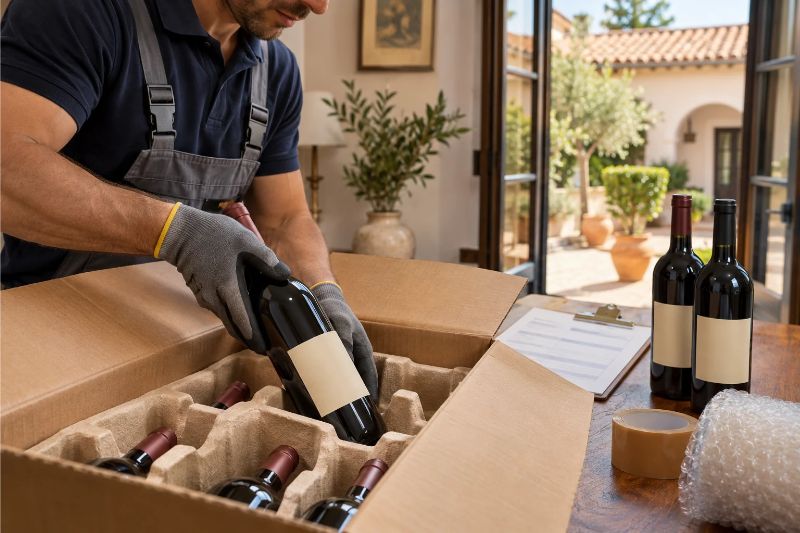
- Professional packing at your U.S. home, using international-grade materials that meet Spanish customs requirements
- Sea or air freight coordinated from your nearest U.S. departure port to Spain
- Customs clearance handled by our team, with all documentation prepared in advance
- Final delivery to your San Sebastián address by trusted local partners familiar with the city’s streets and access requirements
- Moving insurance options to protect your belongings throughout transit
You will have a dedicated relocation specialist from your first call through your final delivery, someone who knows your move, your timeline, and your situation, and who stays in communication throughout the process.
San Sebastián is not the easiest city in Spain to move to logistically, but it is one of the most rewarding. With the right partner handling the details, you can arrive focused on the life that is waiting for you rather than the process that got you there.
📞 Call (844) 651-7050 to speak with a relocation specialist, or
👉 Get a free quote and take the first step toward your life in San Sebastián.