*Updated August 2026
After the boxes are unpacked and the movers have gone, something changes. The sound of the city filters through your windows, the air smells different, and for the first time, it hits you: you really live here now.
Moving to Spain from the United States is a life-changing experience, full of color, warmth, and adventure, but it’s also a major adjustment. SDC International Shipping is a licensed FMC moving company that specializes in international relocation to Spain, and the first few months after arrival can feel like a mix of excitement and uncertainty. You’ve arrived, but now the real journey begins: setting up your new life.
This is the moment when expats realize that the move doesn’t end when the shipment arrives. It continues as you learn the daily rhythm of Spanish life, how to navigate bureaucracy, where to shop, how to open a bank account, and how to find your footing in a new culture.
We’ve guided thousands of Americans through the move itself, but we’ve also watched how they settle in. The happiest, most successful expats are the ones who prepare for the practical and emotional realities of living in Spain, not just getting there.
In this guide, we’ll walk you through what comes next: the essentials to set up your life in Spain smoothly, confidently, and with a sense of joy.
Getting the Basics Set Up
Your first weeks in Spain are about one thing: turning your arrival into stability. It’s tempting to dive straight into sightseeing, but a smoother transition starts with getting your paperwork and essentials organized early. These first steps will help you feel grounded and independent right away.
Your NIE: The Key to Everything
The NIE (Número de Identificación de Extranjero) is your golden ticket in Spain. This identification number is required for nearly everything, signing a lease, opening a bank account, registering for utilities, even setting up a cell phone plan.
If you haven’t already received it during your visa process, you’ll need to apply at your local Oficina de Extranjería (foreigners’ office) or Comisaría de Policía. Appointments can take time, so book one as soon as possible through the Cita Previa online system.
Once you have your NIE, keep it close, you’ll use it constantly.
Opening a Spanish Bank Account
Next, you’ll want to open a local bank account to manage your rent, bills, and daily expenses. Spain’s major banks, such as Santander, CaixaBank, and BBVA, all have English-language support, but smaller regional banks often offer better personal service.
To open an account, you’ll typically need your passport and NIE, proof of address such as a lease agreement or utility bill, and proof of income or residency. Most banks offer both resident and non-resident accounts. If you’ve just arrived, you may start with a non-resident account until your residency paperwork is complete.
Setting Up Utilities and Internet
If you’ve moved into a rental, utilities may already be connected, but confirming whose name the bills are under is crucial. For new service, you’ll need your NIE, bank account, and a signed lease. Common electricity providers include Endesa, Iberdrola, and Naturgy, while internet and mobile service comes through companies like Movistar, Orange, Vodafone, and MásMóvil.
Pro tip: bundle your mobile and internet for better rates, and expect your first installation appointment to take one to two weeks. Patience is part of the Spanish pace of life.
Registering Your Address
Every resident must register at their local Ayuntamiento (Town Hall) in a process called empadronamiento. This is your official proof of residence and is required for healthcare registration, school enrollment, and even some bank accounts.
Bring your passport, NIE, and proof of address (such as your lease). In smaller towns, appointments can often be made in person; in cities, you’ll usually need to book online.
Setting Up Healthcare
If your visa requires private health insurance, you likely already have a policy. Once you become a resident, you can register for Spain’s public healthcare system (Seguridad Social).
Registering at your local Centro de Salud (health center) gets you a primary care doctor and access to subsidized services. Bring your empadronamiento, NIE, and social security number if applicable.
For retirees and long-term residents, this is one of Spain’s greatest advantages: quality healthcare at a fraction of typical U.S. costs.
These first steps might sound like bureaucracy, and they are, but they’re also your foundation. Once you have your paperwork, accounts, and utilities in order, everything else starts to flow more easily.
Making Your House a Home
Once the essentials are handled, it’s time for the fun part, turning your new apartment or house into a true home. Whether you’ve arrived in a furnished rental or an empty space waiting to be filled, Spain offers endless ways to create comfort and personality on any budget.
Furnishing Made Simple
If your shipment from the U.S. is still in transit, you don’t have to live out of suitcases. Spain has affordable furniture and homeware options everywhere, from international chains like IKEA to local stores like Conforama and Leroy Merlin.
For something more authentic, check out local “mercadillos” (street markets) or secondhand stores, called tiendas de segunda mano. Many expats also use online platforms like Wallapop and Milanuncios to find gently used furniture from locals at great prices.
If you’ve arranged shipping household goods to Spain through us, our delivery partners can coordinate direct placement into your home, saving you the trouble of lifting, assembly, or navigating narrow staircases, a common Spanish challenge.
Appliances and Everyday Essentials
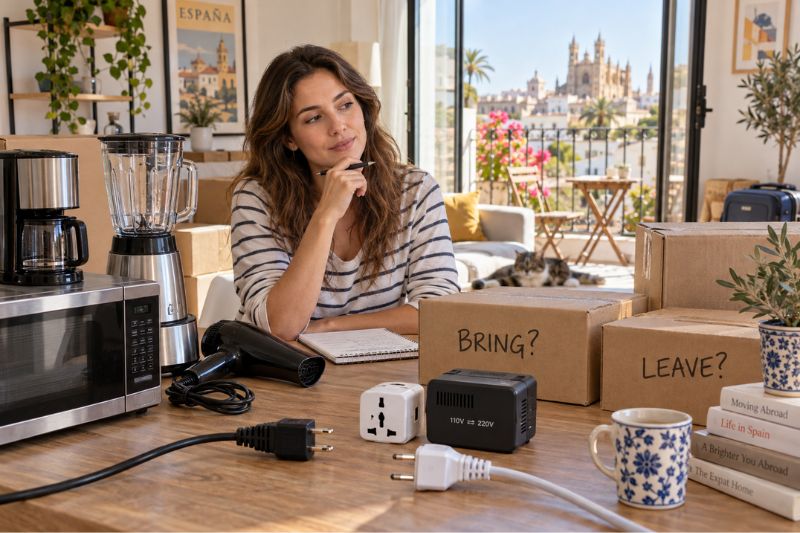
Unlike in the U.S., Spanish homes often come without major appliances, even ovens or refrigerators. Before you panic, know that most appliance stores offer quick delivery and installation. Chains like MediaMarkt, Carrefour, and El Corte Inglés make setup easy, and prices are often more reasonable than Americans expect.
If you’re renting, check with your landlord about which appliances or furnishings are included; many furnished apartments in Spain include the basics, especially in urban areas.
Creating Comfort, Spanish Style
Spain’s architecture is designed for its climate. You’ll find thick walls, tile floors, and windows that help manage heat and cold naturally. But you might also notice the lack of central heating or air conditioning, especially in older buildings.
To stay comfortable, many expats invest in portable fans, electric radiators, or split-unit air conditioners that double as heaters. Local hardware stores offer affordable solutions, and your electric bill will thank you for using them wisely.
Finally, don’t forget the finishing touches, artwork, textiles, and lighting that bring warmth to your space. Your home should reflect your story, blending your American roots with your new Spanish surroundings.
Let Your Neighborhood Shape You
Part of making your house a home is learning the rhythm of your barrio, your neighborhood. Visit the local bakery, greet the café owner, and take daily walks to nearby markets. Spain thrives on routine and community, and the more you engage, the faster you’ll feel like you belong.
Your new home isn’t just inside your walls, it’s around the corner, in the square, and at the tapas bar down the street.
Understanding Spanish Bureaucracy and Daily Rhythm
Spain runs on its own clock, and learning to move with it instead of against it can save you hours of frustration. Many new arrivals from the U.S. quickly discover that Spain’s systems are efficient in their own way, but rarely rushed.
Patience Is a Superpower
If you take one lesson from this section, make it this: patience is your new best friend. Spanish bureaucracy can be slower than what most Americans are used to, but it’s not broken, it’s just more deliberate.
Offices close for siesta, appointments are essential, and paperwork often requires multiple visits. Instead of fighting the process, embrace it. Bring copies of everything, always more than you think you need, keep documents neatly organized, and approach each appointment as progress, not punishment.
You’ll find that officials respond better to calm persistence than urgency, a reflection of Spain’s cultural value on respect and order.
The Siesta Is Real, and It Shapes Everything
One of the most misunderstood parts of Spanish life is the siesta. While it’s no longer universal, many government offices, banks, and small shops still close between 2:00 and 5:00 p.m. Larger cities like Madrid and Barcelona are less affected, but in smaller towns, it’s part of the daily rhythm.
Rather than seeing it as an inconvenience, think of it as an opportunity to adjust your pace. Run errands early, plan appointments before lunch, and use the afternoon break to rest, explore, or enjoy a slow meal. Once you adapt, the rhythm feels surprisingly natural.
Appointments and Paperwork
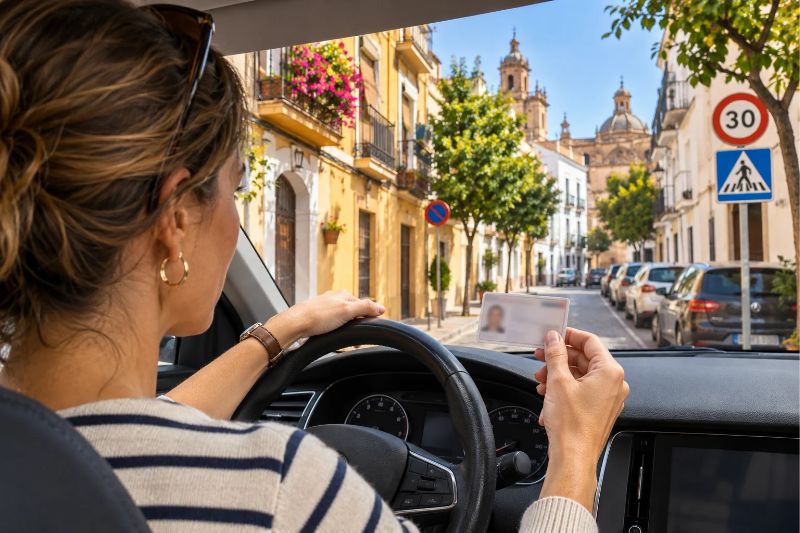
Nearly all Spanish bureaucratic tasks, from NIE renewals to driver’s licenses, require an appointment (cita previa). These are booked online, often weeks in advance. If you can’t find one right away, check early in the morning when new slots are released.
Digital bureaucracy is improving, but still evolving. Some forms can be submitted online with an electronic ID, while others must be handled in person. A quick visit to your local ayuntamiento or gestoría (an administrative helper) can save you hours.
For complex procedures, many expats hire a gestor, a licensed professional who handles forms and appointments on your behalf. It’s a worthwhile investment for peace of mind.
Learning to Flow with the Spanish Day
Life in Spain is built around balance. Work starts later, lunches are longer, and evenings stretch beautifully into the night. Instead of rushing through your day, you’ll learn to enjoy it.
Shops reopen around 5:00 p.m., dinners often happen at 9:00, and weekends are sacred for socializing. Once you let go of the U.S. habit of nonstop productivity, you begin to understand Spain’s greatest gift: time well spent.
Connecting with the Local Community
Once the paperwork is done and the boxes are unpacked, something magical happens, your new life begins to take shape. You start to see familiar faces in the market, recognize the sound of the bread truck on your street, and realize you’re no longer a visitor. You’re part of a community.
For many Americans, this is one of the most rewarding parts of moving to Spain. Spaniards are famously warm and welcoming, but genuine connection takes effort and presence. The key is showing up, being curious, and allowing yourself to settle into the slower pace of daily life.
Finding Your People
Start local. Visit the same bakery each morning, have coffee at the same café, and say hello to your neighbors. In Spain, relationships are built through consistency. Over time, people will start to recognize you, and those everyday exchanges can blossom into real friendships.
If you’re in a larger city like Madrid, Valencia, or Seville, look for expat groups and language exchange meetups (intercambios). They’re easy to find on Facebook or Meetup and are a great way to meet both locals and other internationals.
Volunteering is another wonderful entry point. Whether it’s teaching English, joining a local environmental group, or helping at a community event, you’ll find that contributing to Spanish life helps you feel at home faster.
Learning the Language
You don’t need to be fluent in Spanish to live comfortably, but learning even basic phrases opens doors. Spaniards deeply appreciate the effort, and you’ll find life becomes far easier, from ordering at a café to handling bureaucratic appointments.
Enroll in local language schools or online classes through platforms like Baselang or Duolingo. Many towns offer free or low-cost Spanish courses through the Ayuntamiento, especially for foreign residents.
And don’t underestimate the power of everyday practice. Listen, mimic, and ask questions. A few mistakes will earn you smiles and maybe even a bit of friendly correction.
Blending In, Not Standing Out
Cultural adaptation is about awareness, not erasing who you are. Spain values personal connection and directness, but also respects privacy and quiet in public spaces. Try to match the rhythm of conversation, avoid interrupting, and embrace the art of listening.
Dining is another window into Spanish life. Meals are meant to be shared slowly, and lingering over coffee after lunch is almost expected. The more you let go of the American rush, the easier it becomes to live the Spanish way, relaxed, relational, and grounded in the moment.
Financial and Practical Adjustments
Settling into Spain also means rethinking your finances and daily habits. The cost of living is generally lower than in the United States, but it’s not just about spending less, it’s about spending differently.
Rethinking Your Budget
In Spain, quality of life isn’t tied to constant consumption. You’ll find that entertainment, food, and healthcare are far more affordable, while imported goods, electronics, and cars tend to cost more.
The key is to live locally. Shop at neighborhood markets, use public transportation, and cook at home with seasonal ingredients. Fresh produce, bread, and local wines are remarkably inexpensive, and small daily purchases add up to a better, more balanced lifestyle.
If you’re receiving income from the U.S., set up international transfers through reliable providers like Wise or Revolut to minimize fees. Spanish banks may charge for incoming foreign payments, so always confirm their policies before moving large sums.
Adapting to Payment Culture
Spain has largely transitioned to contactless payments, but cash still matters, especially in small towns or at traditional markets. Keep a mix of both. Most locals use Bizum, a mobile payment app linked to Spanish bank accounts, to split bills or make small transfers instantly.
Bills for rent and utilities are usually paid by direct debit (domiciliación bancaria). It’s a simple system that ensures everything runs automatically from your account each month, so you never miss a payment.
Everyday Expenses
Expect your monthly costs to vary depending on location. Cities like Madrid and Barcelona are more expensive than Valencia, Granada, or Málaga, but still affordable compared to major U.S. metros. Healthcare, dining, and transportation remain significantly lower across the board.
Energy costs can fluctuate, so learn how your billing system works. Spain often uses variable pricing depending on the hour, encouraging people to use appliances during off-peak times. A small adjustment in your schedule can make a big difference on your electric bill.
Embracing the Value of Time
Spain’s real luxury isn’t material. It’s time. With lower expenses and a slower pace, you’ll likely find yourself with more hours for family, hobbies, and travel. Spaniards value life outside of work, and that perspective quickly becomes contagious.
Adjusting financially is about more than numbers, it’s about aligning your spending with your new priorities. You’ll soon see that Spain offers something Americans often chase but rarely find: a life that feels full without being frantic.
Frequently Asked Questions
What’s the first thing I should do after arriving in Spain?
Getting your NIE sorted is the priority, since it’s required for nearly everything else, opening a bank account, signing a lease, registering utilities, and setting up a phone plan. If you didn’t receive it during your visa process, book an appointment through the Cita Previa system as early as possible.
Do I need a Spanish bank account right away?
Yes, most practical tasks in Spain, from paying rent to registering utilities, run through a Spanish bank account. You can open a non-resident account soon after arrival and transition to a resident account once your paperwork is complete.
Is Spanish bureaucracy really as slow as people say?
It moves at a more deliberate pace than most Americans are used to, appointments are required for nearly everything and often booked weeks out, and offices close for siesta in many towns. It’s not broken, just different. Patience and organized paperwork go a long way, and many expats hire a gestor to handle the more complex procedures.
How long does it take to feel settled in Spain?
Most expats say the first few months are about handling logistics, the NIE, bank account, housing, and healthcare registration. Genuine settling in, knowing your neighborhood, building routines, starting friendships, tends to happen gradually over the following months rather than all at once.
Is the cost of living in Spain really lower than in the U.S.?
For many everyday categories, food, healthcare, and dining out, yes, it tends to run noticeably lower. Imported goods, electronics, and cars can cost more. The overall difference depends heavily on your city and lifestyle, so it’s worth budgeting based on your specific situation rather than a national average.
How SDC International Shipping Supports You Beyond the Move
Once the boxes are unpacked and your routines begin to settle, you’ll realize something powerful: you didn’t just move to Spain, you started a new chapter of your life. It’s a process that’s both exciting and deeply personal, and it doesn’t end when your shipment arrives.
That’s why we see our role as more than moving your belongings. We’re here to help you establish your life in Spain with confidence, comfort, and peace of mind, the same way our international moving services work from the very first consultation through the day you’re fully settled.
Continued Guidance After Delivery
For most international movers, the job ends when the boxes are dropped off. For us, that’s just the beginning.
Our local partners in Spain continue to provide support services long after your move is complete, from temporary storage solutions to coordinating final deliveries once you’ve secured a permanent home.
If you need help understanding customs paperwork, insurance claims, or local delivery schedules, your relocation specialist remains just a call or email away. Our goal is simple: to make sure your transition feels complete, not complicated.
Seamless Storage and Flexible Timing
Many of our clients discover that timing doesn’t always line up perfectly. Your visa might be approved before your housing is ready, or your new apartment may need time for renovations. We understand that, which is why we offer secure storage in Spain, in addition to storage options in the U.S.
We can store your household goods safely, then deliver them exactly when you’re ready, no stress, no rush. That flexibility is one of the ways we adapt to your real life, not just your moving date.
Helping You Feel at Home, Sooner
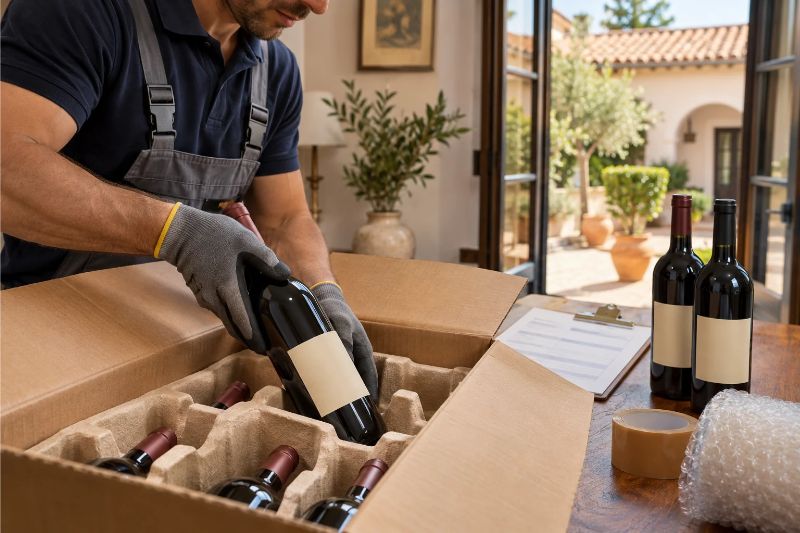
Everything we do, from professional packing to customs coordination, is designed to give you space to focus on what really matters: settling in. You’ll have time to register for healthcare, meet neighbors, and discover your favorite café without worrying about what’s happening behind the scenes.
Because moving abroad isn’t just about logistics. It’s about living well once you arrive.
We believe a successful move is one that helps you start your new life feeling supported, secure, and ready for what comes next.
Ready to Start Your Chapter in Spain?
If you’re preparing to move to Spain, or already on your way, we’d love to be part of your story. Our team will handle the details with precision and care, so you can focus on the life you’re building.
Call (844) 651-7050 to speak directly with a relocation specialist, or visit Get a Quote to plan your move today.
Your new life in Spain is waiting. Let’s make sure you get there smoothly, and stay there happily.