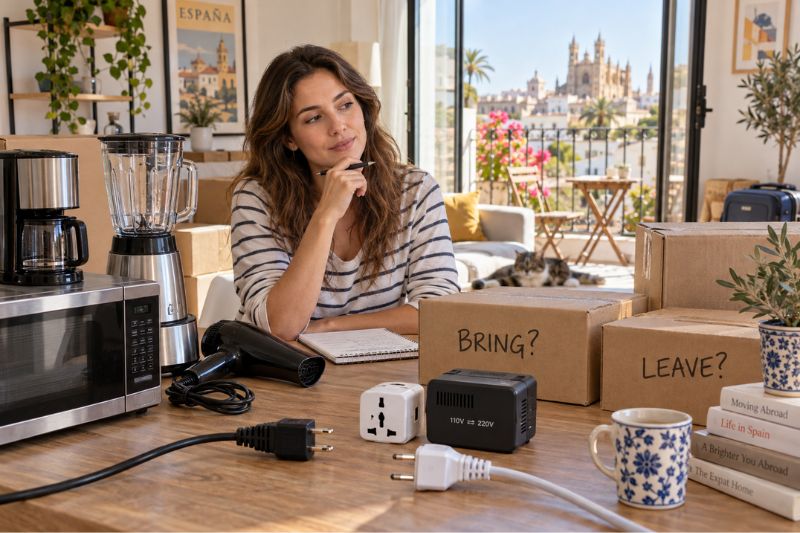
The Expats’ Dilemma: Spain or Portugal?
If you’re an American dreaming of life in southern Europe, there’s a good chance you’ve already narrowed it down to two countries: Spain or Portugal.
They’re both Mediterranean-ish. They’re both warm, laid-back, affordable, and rich in history. They both offer excellent healthcare, delicious food, and a relaxed pace of life. And, perhaps most importantly, they’re two of the most welcoming destinations for U.S. expats looking to relocate long-term.
So how do you choose?
It’s a fair question. Every year, thousands of Americans wrestle with this same decision. Some are planning a retirement move. Others are pursuing remote work or a family lifestyle change. And while either destination can be a great fit, there are big differences that matter once you’re actually living there.
At SDC International Shipping, we’ve helped hundreds of clients consider relocating from the U.S. to Spain, not just from a lifestyle perspective, but also from the nuts-and-bolts logistics of moving. And while Portugal has become a hot topic in recent years, we’ve seen a steady trend: more and more Americans are ultimately choosing Spain for its diversity, infrastructure, and long-term quality of life.
That doesn’t mean Portugal isn’t wonderful. It is. But when you’re making a permanent move, not just planning a vacation, the details begin to matter.
This guide will walk you through everything you need to know to make an informed decision, including:
- Which country has more favorable visa options for Americans
- How costs of living compare (and where your dollar goes further)
- Cultural and lifestyle differences you might not expect
- Which healthcare system is easier to access and understand
- What to consider if you’re staying long-term, paying taxes, or buying property
You’ll also learn how SDC supports the entire process for Americans moving to Spain, from coast-to-coast shipping logistics to local guidance once you arrive.
If you’re standing at the crossroads, this guide will help you figure out which path leads to the lifestyle you actually want, not just the one with the better Instagram views.
Let’s begin with the foundation: who makes it easier to move there in the first place?
Visa and Residency Options Compared
Before you choose a destination, you need to know: Can you legally live there, and stay long-term? Spain and Portugal both offer residency paths for Americans, but the options, costs, and renewal processes are different enough to influence your final decision.
Let’s break down what each country offers, and how easy it is to turn a dream into reality.
Spain: Non-Lucrative Visa and Digital Nomad Visa
For most U.S. expats moving to Spain, the journey begins with one of two popular residency options:
1. Non-Lucrative Visa (NLV)
This visa is ideal for retirees or anyone with passive income. You’ll need to:
- Show proof of sufficient income (pensions, savings, investments)
- Purchase private Spanish health insurance
- Commit to living in Spain full-time (no remote work allowed)
- Apply through a Spanish consulate in the U.S.
The NLV grants one year of residency initially, with easy renewals every two years. After five years, you can apply for permanent residency. Over time, this becomes one of the most stable pathways to living in Spain long-term.
2. Digital Nomad Visa (DNV)
Launched in 2023, this visa is designed for remote workers and freelancers with non-Spanish clients. Requirements include:
- Proof of a foreign employer or steady freelance income
- Clean background check
- Private or public healthcare coverage
- Income above a set monthly minimum (updated annually)
The DNV makes Spain accessible to younger professionals, digital entrepreneurs, and remote employees seeking a vibrant European base. You can bring your spouse and dependents too.
Bottom line: Spain’s visa system offers clear, predictable options for both retirees and remote workers, with a direct route to long-term residency and even citizenship.
Portugal: D7 Visa and Digital Nomad Visa
Portugal offers similar, but slightly more flexible, visa options.
1. D7 Visa
Portugal’s D7 is often compared to Spain’s NLV, but with fewer restrictions:
- Accepts both passive income and remote work
- Requires a Portuguese bank account and local accommodation
- Private insurance required, but options are more flexible
- Income requirement is lower than Spain’s NLV
This visa is popular with early retirees, digital workers, and solo expats. Portugal also allows dual citizenship and has shorter naturalization timelines than Spain.
2. Portugal’s Digital Nomad Visa
Similar to Spain’s DNV, this visa supports remote workers. Requirements include:
- Proof of foreign income (above Portugal’s minimum threshold)
- Tax residency after 183 days
- Social security contributions if you stay long-term
One of Portugal’s unique advantages was its Non-Habitual Resident (NHR) tax regime, which offered generous tax benefits to expats, though it has been phased out for new arrivals. This change has reduced Portugal’s edge for financially motivated expats.
Renewal, Residency, and Bureaucracy
Both countries require in-country renewals after the first year, and both eventually lead to permanent residency and citizenship. However, Portugal’s bureaucracy tends to be a bit more flexible, with less regional variation.
Spain, on the other hand, can feel more rigid, especially during the first visa process, but once you’re in, the renewal path is smoother and more consistent.
Verdict:
- Want to retire with stability and ease? Spain’s NLV is more established and structured.
- Want to work remotely? Both countries offer strong options, but Spain’s DNV is newer and gaining traction fast.
- Looking for the path of least resistance? Portugal may seem easier short-term, but Spain offers more consistency for long-term planning.
Cost of Living: Where Does Your Dollar Go Further?
When choosing between Spain and Portugal, most Americans immediately ask, “Where can I live well on less?” It’s a fair question. Cost of living is one of the biggest motivators behind relocating abroad, and both countries offer excellent value compared to U.S. cities. But there are key differences depending on where you live, what your lifestyle looks like, and how you plan to spend your time.
The short answer? Portugal may still be slightly cheaper overall, but Spain offers more options across a wider range of cities and towns. In either country, most Americans find their money goes significantly further than it would back home.
Housing: Renting or Buying
Housing is often the biggest monthly expense, and this is where geography matters. In both Spain and Portugal, rental prices have increased in recent years, especially in popular cities. However, Spain offers more variety, from beach towns and inland villages to large metro areas like Madrid, Valencia, or Seville.
For example, renting a modern two-bedroom apartment in central Madrid might cost €1,300 to €1,800 per month, depending on location. The same apartment in Valencia or Málaga might fall closer to €900 to €1,300. In Lisbon, prices are comparable to Madrid, though they’ve risen rapidly in the last few years, partially due to demand from digital nomads and expats.
In Portugal, Porto and smaller towns like Braga or Coimbra are more affordable alternatives. The cost of purchasing property is generally lower than in the U.S., but taxes and foreign ownership rules vary slightly between the two countries. Spain’s market is more developed, which gives expats better infrastructure and more choices.
Food, Dining, and Groceries
Both countries offer fresh, local, and incredibly affordable food. Eating out in Spain or Portugal won’t break your budget. A typical lunch at a café or small restaurant in Spain, what locals call the menú del día, can cost around €10 to €15 and includes several courses and a drink. Portugal’s equivalent meal deal might be just a few euros cheaper.
Grocery prices are low across the board. In both countries, fresh produce, meat, and bread are abundant and inexpensive, especially when shopping at local markets. Spain’s larger supermarket chains may offer better variety and pricing thanks to scale. You’ll also find more international food options in Spanish cities, which is important for expats who enjoy variety.
Utilities and Transportation
Utilities are slightly higher in Spain on average, particularly in winter when heating costs rise in older apartments. Portugal’s housing is generally less insulated, which can affect utility costs depending on the season.
Public transportation in both countries is excellent, but Spain has the edge. Madrid and Barcelona have well-developed metro systems, and the national train network (Renfe) connects cities efficiently. Spain’s infrastructure is larger and more modern overall, which makes getting around easier, especially without a car.
In smaller Portuguese towns, public transport is more limited. Many expats in Portugal end up relying on cars outside of Lisbon and Porto, which can add to monthly expenses.
Healthcare and Insurance
We’ll explore healthcare in more depth shortly, but it’s worth noting that private health insurance is affordable in both countries. Portugal’s premiums are slightly lower, but Spain’s public system is more robust, especially if you plan to stay long-term and enroll after your initial visa period.
Verdict:
- For ultra-frugal expats or those focused on small towns, Portugal may still come in slightly cheaper.
- For expats seeking more options, modern infrastructure, and access to major cities, Spain delivers better value and long-term comfort.
Culture, Community, and Language
One of the most personal aspects of relocating abroad isn’t found on paper. It’s not your visa, your housing cost, or even your healthcare plan. It’s your day-to-day experience. How a place feels. How easy it is to make friends. How welcome you feel in a new community. That’s where Spain and Portugal start to feel very different.
For Americans, both countries offer warmth and hospitality, but they do so in different ways. One is known for its energy and diversity, the other for its calm and charm. Neither is better, but one will likely feel more like home to you.
Language Matters More Than You Think
Spanish and Portuguese may sound similar, but they are distinctly different languages. Spanish is the second most spoken language in the world, and many Americans already have some exposure to it from school or travel. That can make adjusting to life in Spain a little easier when it comes to reading signs, navigating public offices, or picking up conversational basics.
Portuguese, especially in its European form, can be harder to understand for English speakers. It’s spoken quickly and with strong regional accents, particularly in the north. While most expats in Portugal learn enough to get by, they often comment that it’s a harder language to feel confident speaking.
In both countries, English is widely understood in major cities and among younger locals, but less so in rural areas. Spain offers more resources for learning Spanish as a second language, and because it’s so widely spoken globally, many Americans feel more motivated to learn it.
Cultural Energy and Daily Life
Spain is vibrant, social, and expressive. Life in Spanish cities moves at a different rhythm. Meals are later, conversations are longer, and weekends are for community. There’s a visible celebration of culture, music, art, festivals, and traditions are part of daily life. Whether you’re living in Barcelona, Valencia, Seville, or Granada, you’ll find yourself surrounded by history and energy.
Portugal, on the other hand, is quieter and more laid-back. The culture leans toward the gentle and understated. Lisbon and Porto have their energy, but the vibe is calmer, more contemplative. There’s a poetic quality to Portugal’s pace of life, and many expats describe it as peaceful.
If you’re energized by diversity, culture, and fast access to everything from major concerts to world-class museums, Spain delivers more intensity. If you’re looking for serenity and a slower pace, Portugal may speak to you more.
The Expat Community
Both countries are home to growing American expat communities. In Spain, cities like Madrid, Valencia, and Málaga have strong networks of English speakers, meetup groups, international schools, and relocation services. There’s a long-established community of Americans, Brits, Canadians, and Latin Americans that makes integration smoother.
Portugal’s expat growth has accelerated in recent years, especially in Lisbon and along the Algarve. While it has welcomed many digital nomads, retirees, and remote workers, the infrastructure for newcomers is still developing in some areas.
Spain’s larger expat population and more established support networks often make it easier to connect with others, especially if you’re new to European life.
Verdict:
- Love energy, art, and cultural richness? Spain offers a more dynamic and immersive daily experience.
- Crave peace, quiet, and reflective coastal life? Portugal’s charm is hard to beat.
- Want a familiar language edge? Spain usually feels more accessible to English-speaking Americans.
Healthcare Systems and Access
Healthcare is one of the most important factors for Americans considering a move abroad. Whether you’re retiring, working remotely, or relocating with family, access to quality, affordable healthcare provides both security and peace of mind. Spain and Portugal both offer strong healthcare systems, but the experience for expats differs in a few key ways.
Let’s take a closer look at how they compare in real life.
Public Healthcare: Similar in Structure, Different in Scale
Both countries have universal healthcare systems funded by taxes and managed at the regional level. In Portugal, it’s called the Serviço Nacional de Saúde (SNS). In Spain, it’s the Sistema Nacional de Salud (also SNS). Both systems guarantee access to healthcare for residents, including expats with legal residency status.
However, Spain’s system is larger and more established, offering more hospitals, more specialists, and broader regional coverage. With a larger population and a deeper pool of resources, Spain’s infrastructure simply supports a wider range of services. In rural areas, that means shorter travel times to reach a major hospital or find a qualified specialist.
Portugal’s public system works well, especially in major cities like Lisbon and Porto, but in smaller towns, access to care may involve longer wait times and fewer provider options.
Private Healthcare: Accessible and Affordable in Both
Expats in both countries often begin their residency on private health insurance, especially those applying for visas like Spain’s Non-Lucrative Visa or Portugal’s D7. Fortunately, private healthcare in both countries is high-quality and surprisingly affordable.
In Spain, a comprehensive private insurance plan can cost between €60 and €150 per month, depending on age and coverage. Portugal’s premiums are typically a bit lower, with similar inclusions.
Private clinics in both countries are modern, clean, and staffed by well-trained professionals. In cities, you’ll easily find English-speaking doctors and specialists. The main advantage of private care is speed, shorter wait times and more personalized service.
That said, Spain has a more extensive network of private hospitals and specialists, especially in cities like Madrid, Barcelona, and Valencia. Portugal offers excellent care as well, but the number of private providers is smaller, particularly outside of urban centers.
Language and Comfort for Expats
In Spain, many private healthcare providers cater to expats and tourists, offering services in English and providing translated documents. In Portugal, English is widely spoken in the medical field too, especially in urban areas. Both systems are becoming increasingly internationalized.
Still, Americans often report feeling more supported in Spain, particularly when navigating public healthcare later in their residency. The regional nature of Spain’s system can feel complicated at first, but once you’re registered and assigned a doctor, most services are streamlined.
Prescription Costs and Emergency Care
Prescription medications are affordable in both countries and widely available. Most common medications cost just a few euros with a prescription, and even out-of-pocket prices are manageable. Spain tends to have slightly broader availability due to its larger population and supply chains, but the difference is marginal.
Emergency care is fast and reliable in both countries. Dial 112 for medical emergencies. In urgent situations, both public systems will treat you regardless of insurance status, though private insurance ensures quicker non-emergency care and access to preferred hospitals.
Verdict:
- If you want the most robust public and private options with wider access to facilities, Spain holds the edge.
- If you’re planning to live in or near Lisbon or Porto, Portugal will still meet most healthcare needs comfortably.
Long-Term Life Abroad: Taxes, Citizenship, and Stability
Short-term perks are great, lower rent, affordable healthcare, sunny weather, but if you’re serious about staying in Europe for the long haul, the real question becomes: Which country offers a smoother, more stable path to long-term residency and citizenship?
Spain and Portugal both allow Americans to stay permanently, but they differ in how long it takes, how taxes are handled, and how simple (or complex) the process can be. If you’re planning to build a life, not just a few years abroad, these differences matter.
Residency to Citizenship: Who Makes It Easier?
Both countries allow you to apply for permanent residency after five years of legal stay. After that, you can apply for citizenship, but Portugal gets you there faster.
In Portugal, you’re eligible for citizenship after five years of legal residency. You’ll need to show basic integration, such as A2-level Portuguese language skills and no significant time spent outside the country. Portugal also allows dual citizenship, so you can keep your U.S. passport.
In Spain, things are a bit more drawn out. You can apply for permanent residency after five years, but citizenship typically requires ten years of continuous legal residence. Spain is also stricter about dual citizenship and may require renouncing your U.S. citizenship, depending on your path. (There are exceptions, but they rarely apply to Americans.)
For many expats, this makes Portugal more attractive if the ultimate goal is an EU passport.
Tax Residency and Financial Planning
Let’s talk taxes, a topic that makes most people nervous but is critical to understand. Both countries require you to become a tax resident if you live there more than 183 days per year. This means reporting your worldwide income and potentially paying taxes on it.
Spain has a more traditional tax system with progressive rates and strong regional variations. Some regions, like Madrid, have lower income taxes, while others are higher. In most cases, you’ll pay more in Spain than in Portugal, especially if you’re a retiree or passive-income earner.
Portugal used to offer a major incentive for foreign residents: the Non-Habitual Resident (NHR) tax regime, which provided favorable tax treatment for ten years. That program has been phased out for new residents, but Portugal is still viewed as more tax-friendly overall, especially for U.S. retirees or those with international income.
Spain, while slightly more complex, does have tax treaties with the U.S. to avoid double taxation, and many expats work with accountants to structure their finances strategically. If you’re considering Spain long-term, it’s wise to plan ahead with a cross-border tax advisor.
Long-Term Stability and Lifestyle
Once you’re settled, day-to-day life becomes a bigger part of the equation. Spain’s larger cities, better infrastructure, and more diverse economy offer greater long-term stability. There are more opportunities for families, more options for healthcare as you age, and better transportation links to the rest of Europe.
Portugal offers a more relaxed lifestyle and is ideal for those who value peace, nature, and simplicity. However, Spain offers more professional services, more international schools, and more housing choices, especially outside the two or three main urban centers.
If you’re thinking not just about your next five years but your next twenty, Spain often provides a more complete platform for long-term living, especially for Americans who eventually want to buy property, build community, or explore business opportunities.
Verdict:
- Want faster citizenship and lower taxes? Portugal makes long-term residency easier, on paper.
- Want stronger infrastructure and more options for long-term living? Spain delivers greater lifestyle stability over time.
Why Spain Wins for Many Expats—and How SDC Makes It Easy
When you stack Spain and Portugal side by side, it’s clear that both offer beautiful lifestyles, welcoming communities, and affordable living. You won’t go wrong in either country. But for many American expats, especially those thinking long-term, Spain consistently edges ahead as the stronger overall choice.
Why? Because Spain offers greater diversity in lifestyle, stronger infrastructure, a larger network of expats and services, and more long-term stability, all without sacrificing the affordability and warmth that drew you to southern Europe in the first place.
If you want to live by the sea, Spain gives you Costa del Sol, Costa Blanca, or the rugged Basque Coast. If you want vibrant cities, you can choose from Madrid, Barcelona, Valencia, or Seville. If you want small-town charm, there are thousands of inland villages that blend history with peace and simplicity.
Spain is also simply better set up for long-term living. The healthcare system is robust, the transportation network is excellent, and the visa options are expanding every year. Whether you’re a retiree, remote worker, or relocating family, Spain meets more of the big-picture needs that matter over time.
How SDC Helps You Relocate the Right Way
At SDC International Shipping, we’ve helped hundreds of Americans make their move from the U.S. to Spain, and not just with boxes and furniture. We understand that this isn’t just a change of address. It’s a change in lifestyle, healthcare, language, climate, and culture. And we treat every relocation with that in mind.
Our door-to-door service includes:
- Professional packing and secure freight shipping from the U.S.
- Container shipping for household goods and vehicles in the same shipment
- Assistance with Spain’s customs paperwork and import rules
- Coordination with trusted local partners in Spain for delivery and setup
- Expert guidance so nothing gets lost in translation, literally or logistically
We also offer secure storage in Spain for clients who need flexibility on arrival, and moving insurance to protect your belongings throughout transit.
Most importantly, we know Spain. Our team works daily with relocation experts, customs officials, and expat families on both sides of the Atlantic. We’re more than a shipping company. We’re your guide for making the move feel right from day one.
Whether you’ve already chosen Spain or you’re still weighing the pros and cons, we’re here to help make the decision, and the journey, simple.
👉 Get a free moving quote and speak to a relocation specialist today.