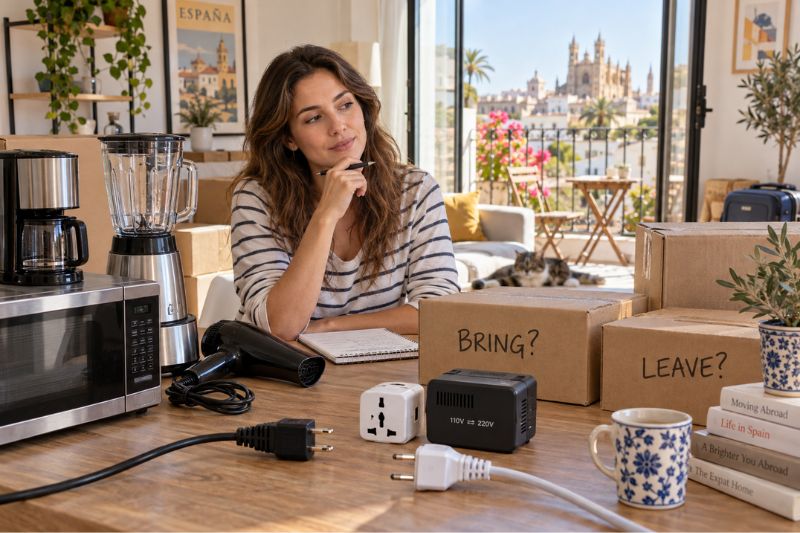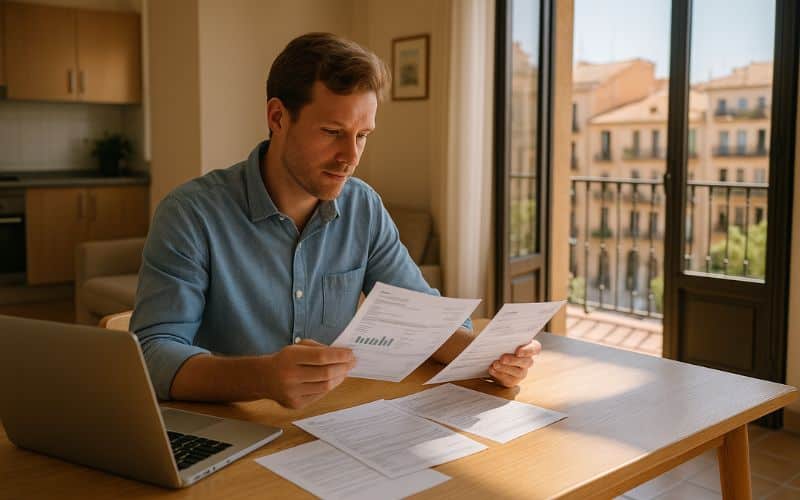
Understanding the True Cost of Daily Life Abroad
When you imagine your new life in Spain, you probably think of warm light pouring through your kitchen window or quiet evenings on your balcony with the smell of the sea drifting through the air. But once you arrive, one of the first questions that comes up is surprisingly practical: how much will your utilities cost each month, and how different will they be from what you’re used to in the United States?
For many Americans, utilities are part of the financial foundation of daily life, and uncertainty about these everyday costs can create real stress once you’re actually living somewhere new. SDC International Shipping is a licensed FMC moving company that specializes in relocations from the USA to Spain, and we’ve learned that a successful move doesn’t end when your boxes are delivered, it continues as you establish your daily life and learn systems that feel unfamiliar at first. Understanding Spain’s utility landscape before you arrive helps you budget realistically, choose the right property, and avoid the kinds of surprises that can disrupt an otherwise smooth transition.
How Utilities Work in Spain Compared to the United States
Spain’s utility system operates differently from what most Americans expect. Electricity often runs on a tiered pricing system that adjusts rates by time of day, with lower rates during off-peak hours and higher rates during daytime or early evening. Most Americans are used to fixed pricing regardless of the hour, so this takes some adjustment, but once you understand the rhythm, it becomes part of your routine, running appliances at night rather than during the expensive window.
Water usage differs too. Spain prioritizes conservation, especially in coastal and southern regions where drought conditions are more common, and while bills tend to run lower than in the U.S., water-saving habits like shorter showers or running the dishwasher only when full are more integrated into daily life. Gas usage surprises many Americans as well, since Spanish homes use a mix of electricity and gas depending on the region and the building’s age. Some apartments rely on electric water heaters, others use gas canisters that get replaced regularly, and newer buildings may have piped natural gas, though it’s not universal, so understanding how your specific building works matters before you sign a lease.
Waste collection also varies. In the U.S. it’s often folded into property taxes or rent, while in Spain it may be billed separately or included in community fees, with recycling heavily emphasized and separate bins for glass, plastic, paper, and general waste common in most buildings. Internet and mobile plans, on the other hand, are usually a pleasant surprise, fiber-optic coverage is widespread and monthly costs tend to run lower than in the U.S., even if installation itself takes a few days longer than Americans are used to.
Common Mistakes Expats Make When Managing Utilities in Spain
The most common mistake is using appliances during peak hours without realizing how much it affects the bill. Daytime and early evening electricity rates can run significantly higher, and Americans who keep running washers, dryers, or electric ovens during those windows often get an unpleasant surprise on their first bill. A second common misstep is assuming every apartment has the same kind of heating. Spain’s heating systems vary widely, some homes use electric heating that gets expensive in winter, others use gas canisters requiring manual replacement, and coastal properties often have minimal heating since winters are mild there. Asking about a home’s heating system and reviewing past utility bills before signing a lease avoids a lot of that surprise.
Regional water differences catch people off guard too. Spain’s north gets abundant rainfall while the Mediterranean coast experiences long dry periods, so expats settling in southern regions without adjusting their water habits often see higher usage than expected. Delaying internet installation is another frequent misstep, since Americans used to fast U.S. installation timelines are sometimes caught off guard when Spanish installation takes a few days, longer during holiday periods, right when they need connectivity for banking, appointments, or tracking a shipment. Scheduling that early solves it.
Two smaller but common issues round it out: utility companies in Spain generally prefer IBAN-linked withdrawals from a Spanish bank account, so continuing to use a foreign card often causes payment failures once a local account is open, and utility contracts frequently include terms Americans aren’t used to, minimum consumption rates, seasonal adjustments, community fees, that are worth asking about directly during signup rather than discovering later.
Timing Your Move and Setting Up Utilities the Right Way
A smooth international move involves more than getting your belongings safely across the ocean, it includes preparing your home and creating a comfortable routine from the moment you arrive. Our relocation specialists help coordinate your shipping schedule with your arrival date, so you’re not trying to select a mobile provider, open a bank account, and set up utilities all at once, especially during busy seasons or local holiday periods when things move slower.
Before your container even leaves the U.S., we help you understand what to expect at your destination, how apartment buildings typically operate, what utility systems are common in your chosen region, and how costs shift by season. If you’ll need appliances, electronics, or office equipment right away, sending essentials by air freight keeps you connected while your main shipment travels by sea.
How SDC Supports You Through Your First Weeks in Spain
If your apartment isn’t ready for move-in yet, secure storage keeps your household goods safe until utilities are active and your home is genuinely ready, rather than placing everything in a property that isn’t prepared for occupancy. Whether you’re moving to Madrid, Valencia, Barcelona, or a coastal town, getting the delivery timing right helps everything else fall into place.
Many expats feel overwhelmed during the first month juggling paperwork, errands, and cultural adjustment all at once. We stay involved past delivery day, offering guidance on what to prioritize and how to manage the essential services covered here, so the details that make a house feel livable don’t get lost in the bigger logistics of the move. For the fuller picture of how utilities fit into everything else involved in relocating, our international movers to Spain overview is a good next stop.
Frequently Asked Questions
Are utilities more expensive in Spain than in the U.S.?
It varies by utility. Electricity can run higher during peak hours under Spain’s tiered pricing, while internet and mobile service are often noticeably cheaper than typical U.S. plans.
Why does my electric bill change based on the time of day?
Spain uses tiered pricing that charges more during daytime and early evening hours and less overnight, a structure meant to manage national energy demand. Running appliances during off-peak hours is the simplest way to manage the cost.
How long does internet installation take in Spain?
Usually a few days, longer during holiday periods. Scheduling it as soon as you have a confirmed address, rather than waiting until you arrive, helps you avoid a gap in connectivity right when you need it most.
Do I need a Spanish bank account to pay for utilities?
Most utility companies prefer IBAN-linked withdrawals from a Spanish account, and continuing to pay with a foreign card often leads to failed payments. Opening a local account early avoids service interruptions.
What if my apartment isn’t ready when my shipment arrives?
Secure storage is available so your belongings can wait until your utilities are active and the home is genuinely livable, rather than arriving into a space that isn’t ready for you yet.
Settling Into a Home That Feels Like Yours
Your first few months in Spain are filled with discovery, new sounds, new rhythms, new routines, and a growing sense of belonging in a place that once felt far away. Utilities may seem like a small detail in that bigger picture, but they play a real role in helping you feel settled. The moment your lights turn on, your water runs, and your Wi-Fi connects, everything starts to feel real, Spain stops being a plan and becomes your actual life.
Your comfort doesn’t begin with unpacking a box, it begins with understanding how your new home actually works, and having the right support makes that part of the transition far less overwhelming than facing it alone. Whether you choose a seaside apartment in Valencia, a historic flat in Madrid, or a modern home in Barcelona, that support is what turns a new address into an actual home.
Call (844) 651-7050 to speak with a relocation specialist or visit our free quote page to begin planning your move today.